How to remember the OSI model layers in order
The seven layers of the OSI model, from layer 1 to layer 7, are physical, data link, network, transport, session, presentation and application. Layer 1 is at the bottom, so put it on your feet and go up your body.
- PHYSICALLayer 1Feet
- DATA LINKLayer 2Knees
- NETWORKLayer 3Thighs
- TRANSPORTLayer 4Hips
- SESSIONLayer 5Stomach
- PRESENTATIONLayer 6Chest
- APPLICATIONLayer 7Shoulders
Try it: all seven on your body
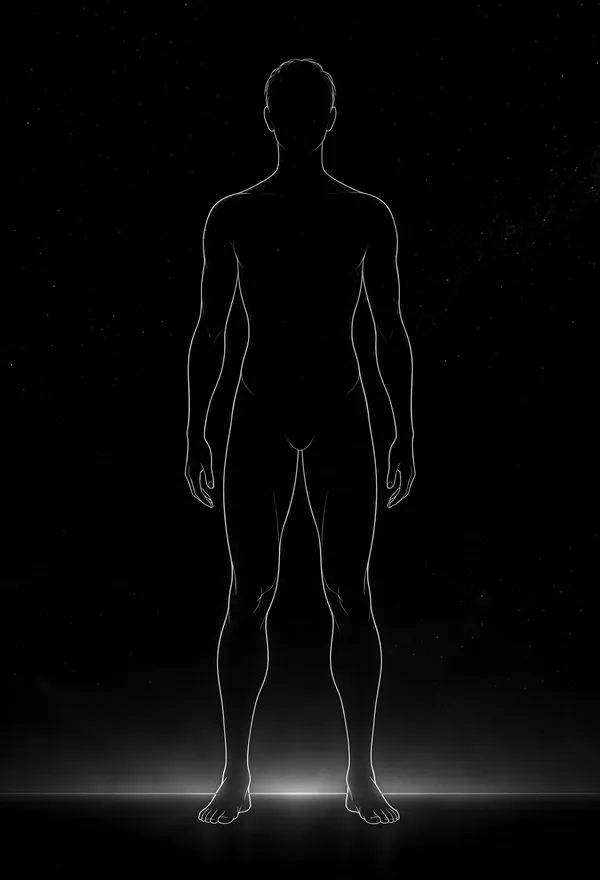
Seven words, one at a time, each on a part of your body: feet, knees, thighs, hips, stomach, chest, shoulders. For each, type what the word does to that part, in a few words; the first two come with a scene to start you off. Up to 15 seconds a word. Then look away for 15 seconds, and walk up your body from your feet to get them back.
Look away.
15seconds
Then walk up your body from your feet to your shoulders.
The free lesson does ten words your own way, then ten on your body, with the same time per word, so you can compare. The next day it checks both lists again.
Where does the order slip?
Going up your body gives you the layer numbers for free: feet are 1, the shoulders are 7. The usual slip is near the top, where session comes before presentation. Sentences made from first letters give you P, D, N, T, S, P, A, and the two Ps are easy to swap.
How do you keep it?
Walk up your body again tomorrow and a few days later, and say each item before you look. Recalling something before you look at it again is one of the best-supported ways to learn. If an item doesn’t come back, give it a new scene on the same part of your body.
In a 2022 study, ten parts of the body, typed from feet to head, worked as well as a classical memory palace for recalling a list in order. There’s more in how to memorize a list in order and the body method.
Keep this list with Without Notes
After the free first lesson, paste this list into Without Notes. It puts the items on your places in order, you write each scene, and it checks you at 1, 7 and 30 days, unaided.
Sources
- ITU-T X.200: Open Systems Interconnection, the basic reference model
- Wikipedia: OSI model
- Kluger et al. 2022, Memory: ten body parts against a classical memory palace
- Yang et al. 2021, Psychological Bulletin: recall practice in 222 classroom studies
Without Notes is a study tool. It does not diagnose or treat memory problems. If you’ve noticed changes in your memory that worry you, please talk to a doctor first.